Christine Beese (Autor/in)
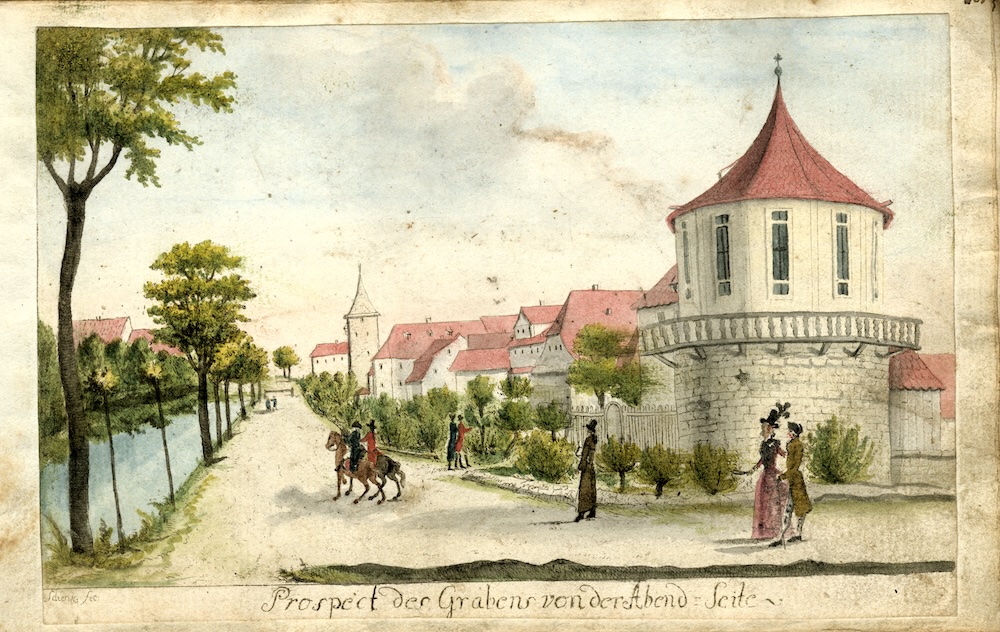
Using the example of the anatomical towers of Göttingen and Jena, this text will examine the relationship between architecture and privacy in the production of knowledge. By tracing the relocation of the dissection rooms of Göttingen and Jena considering the local context in terms of research as well as the architectural, social and performative values embodied in the built environment, it will be shown that architectural and performative strategies of privacy were deliberately used to gain scientific credibility and claim interpretive sovereignty. The study therefor provides insight into the different regimes that constituted the making, displaying and reception of medical science in early modern Germany.


