Vortrag
Scientific Instruments? On the Use of Sculptures in Anatomical Theatres
Gehalten von: Christine Beese
Datum: 08.05.2026, 11:30 Uhr
University of Antwerp
Grauwzusters Convention Center
Lange Sint-Annastraat 7
Antwerp
5th Edition Vesalius Continuum
Theatres of Anatomy: Dissecting, Showing and Drawing the Body
Thursday 7 till Saturday 9 May 2026, Antwerp, Belgium
https://www.uantwerpen.be/en/conferences/5th-edition-vesalius-continuum/
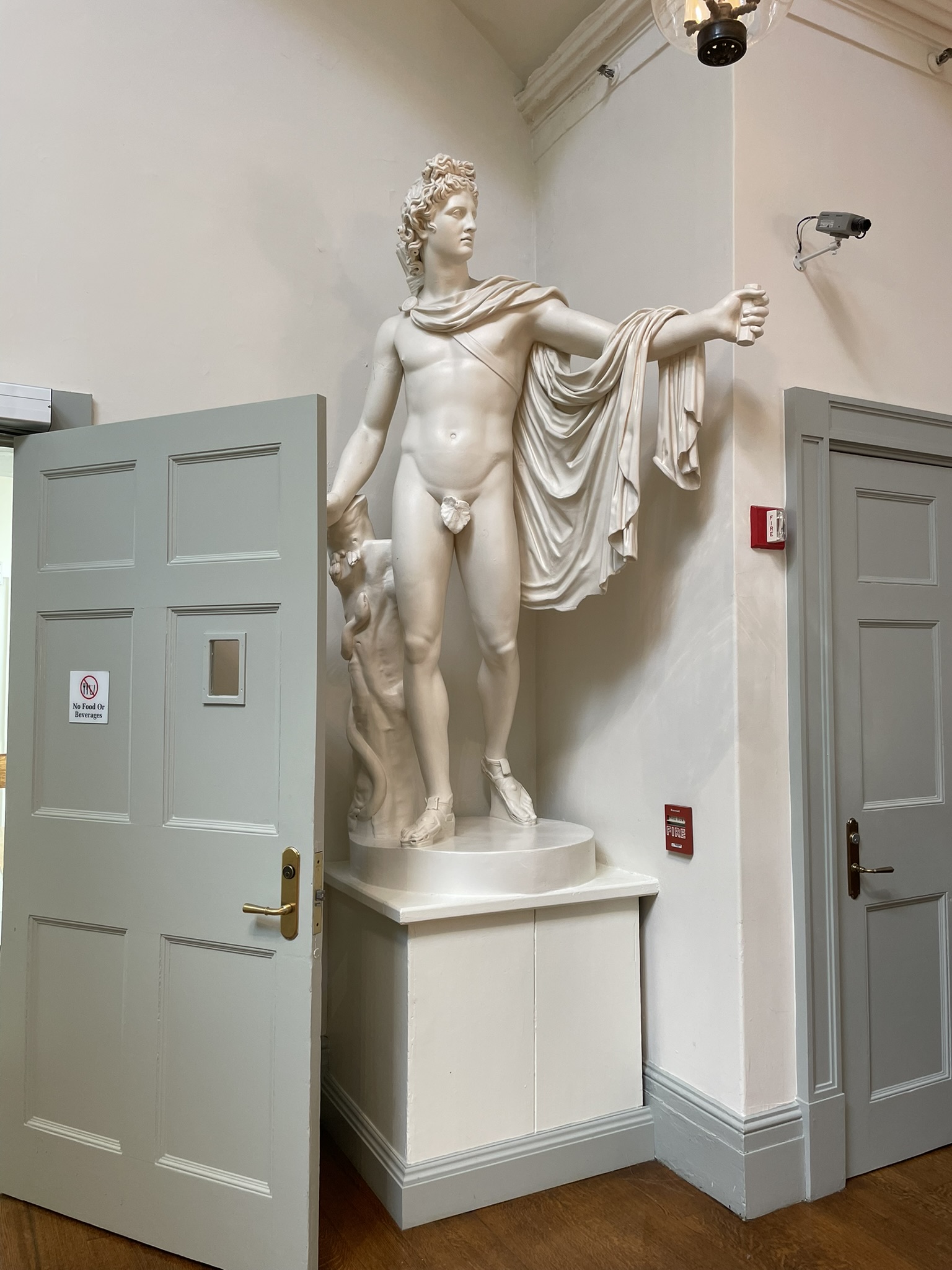
In anatomical theatres, bodies and bodily representations are brought together, all varying in physicality and degrees of vitality. On the dissection table lies the fresh corpse; around it gather the bodies of those present, of varying ages. Along the walls or in vitrines anatomical specimens, wax models, and sculptures in wood, plaster, and marble are arranged. Pictorial representations of bodies appear in handbooks, are displayed on charts, or feature in the decorative artworks of the space, such as frescoes. From a modern perspective, these bodies seem to represent opposing states of being: dead or alive, natural or artificial, and to function as either objects of research or reproduced models. The talk focuses on the meanings and significance historically ascribed to such bodily representations within processes of knowledge production. Particular attention is given to sculptures in wood, stone, and plaster which, according to modern understanding, are often interpreted as artworks external to epistemic practice, yet which were in fact, following Bruno Latour and Hans-Jörg Rheinberger, integral components of an “experimental system”. This arrangement was spatially realised within the “laboratory” of the anatomical theatre, making all objects also part of the process of knowledge production. Drawing on the anatomical theatres of Bologna (seventeenth century), Ferrara (eighteenth century), and Boston (twentieth century), the paper demonstrates how prevailing concepts of art, nature, and science shaped the meanings attributed to sculpture in anatomical theatres across different historical contexts.


